
The brand
A garment is a conversation with the self.
In the noise of modern life, we look for a quiet place. Yvora exists for those who would rather be felt than seen. We do not chase volume, and we do not perform refinement. We design clothing the way one composes music: with patience and restraint, attending as much to what is written as to the silences left between.
The name
Yvora — from "your aura." The name is not a slogan but a translation. It carries a single belief: that what one wears becomes part of the space one moves through. Clothing does not declare. It accompanies.
Origin
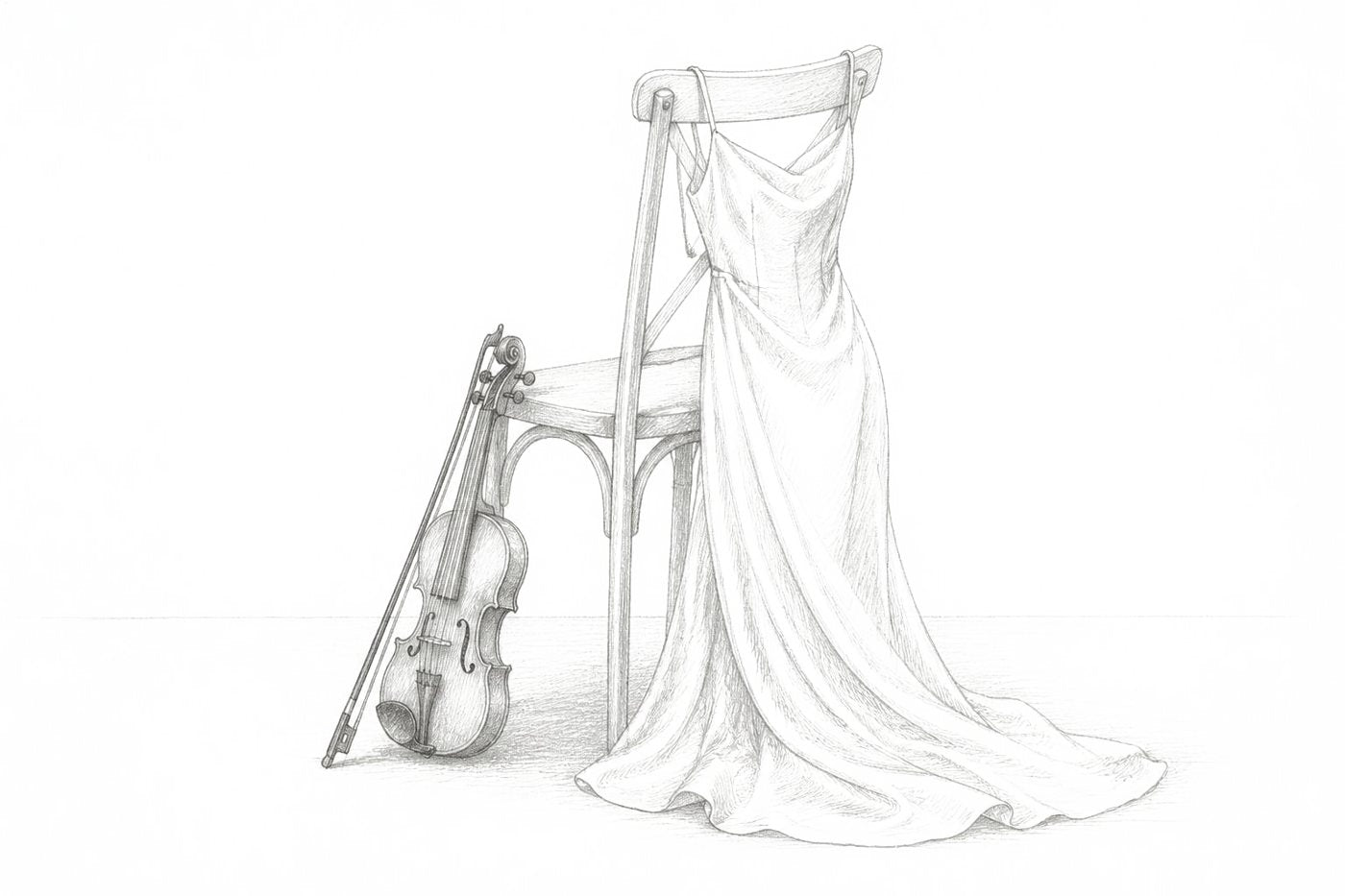
Yvora was founded by a classical musician who spent years inside the discipline of sound: its layers, its restraint, and the weight of silence between the notes. She was raised by a mother who held quiet convictions about cloth and form — which fabrics let the skin breathe, which textures were right, how one ought to dress with composure. These were never simply opinions. They were lessons in a language without words.
When she was nineteen, her mother took her to a master tailor for her first concert gown: silk, fitted, floor-length, black. For years afterwards, that silk rested against her skin before every performance — soundless, composed, grounded. It was the first time she understood that a garment, like a held note, could be a conversation with the self.
A trained ear cannot unhear a note played out of tune. In the same way, once she had known that silk, she could no longer ignore cloth that sat wrongly against the skin. A single gown had become a measure, and she carried it with her.
The world
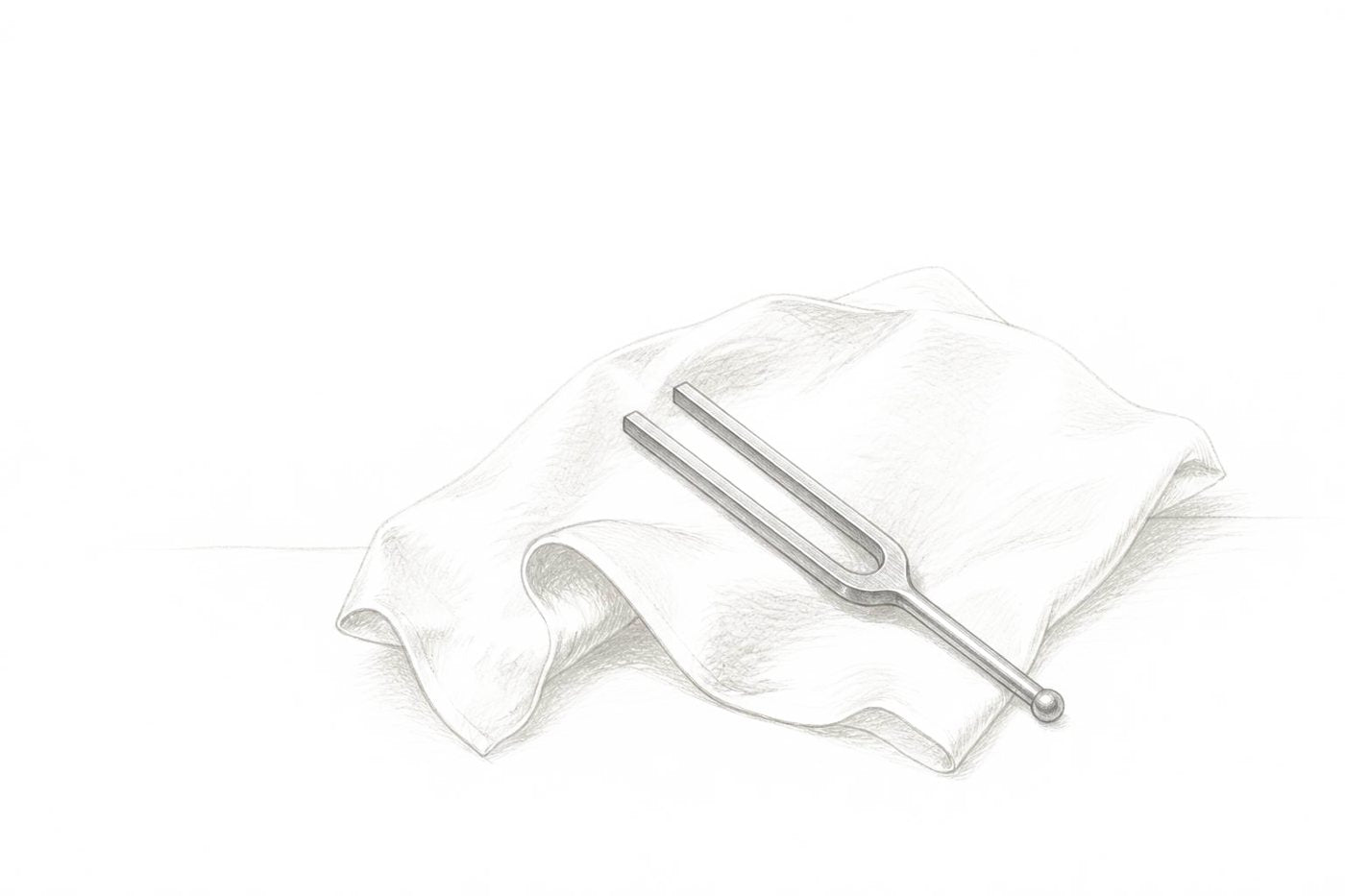
In the years that followed, she lived between Asia and Europe with her husband, a German who had spent his career among textiles — Shanghai and Munich, Hong Kong, Singapore and the cities in between. Different climates; a different light at the end of each day. Wherever they went, they noticed the same thing: those who truly understood refinement had arrived at the same quiet conclusion. They chose fewer, better garments, and wore them for years.
Substance
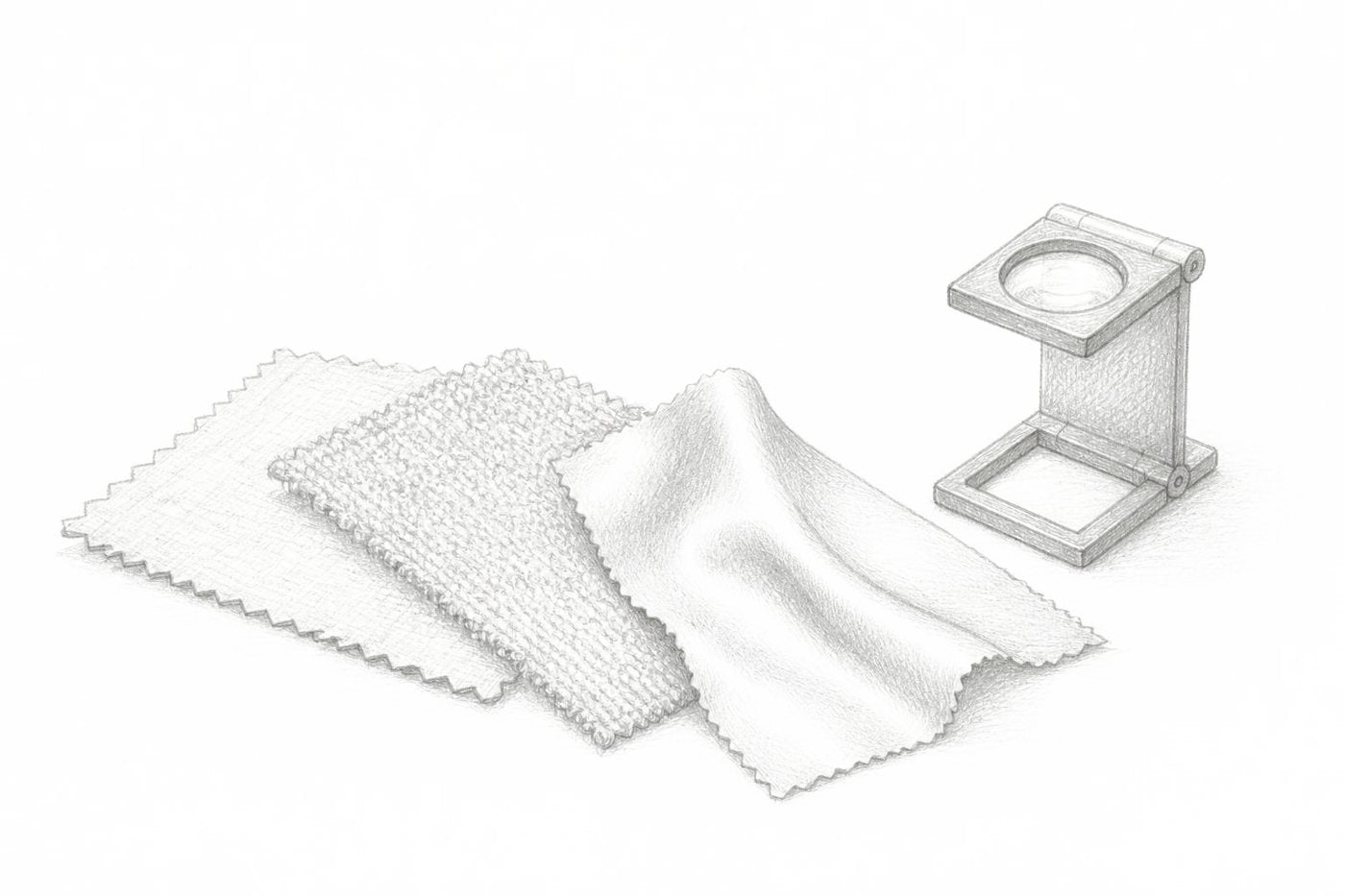
Together they looked for such clothing and rarely found it — garments that looked right but never settled, fabrics chosen for a season rather than for the skin. She knew how cloth ought to feel; he understood how it is made. Through him, her mother's instinct found its grammar. In the end, they decided that if such clothing was to exist, someone had to insist on it.
At Yvora, materials are chosen, not merely sourced: silk from Hangzhou, the historic centre of Chinese sericulture; cashmere and wool from regions where these fibres have been worked for generations; and mercerised cotton, finished to a soft, considered hand. Each is selected for how it behaves over years and across climates — not for how it photographs in a single season.
A quiet inheritance
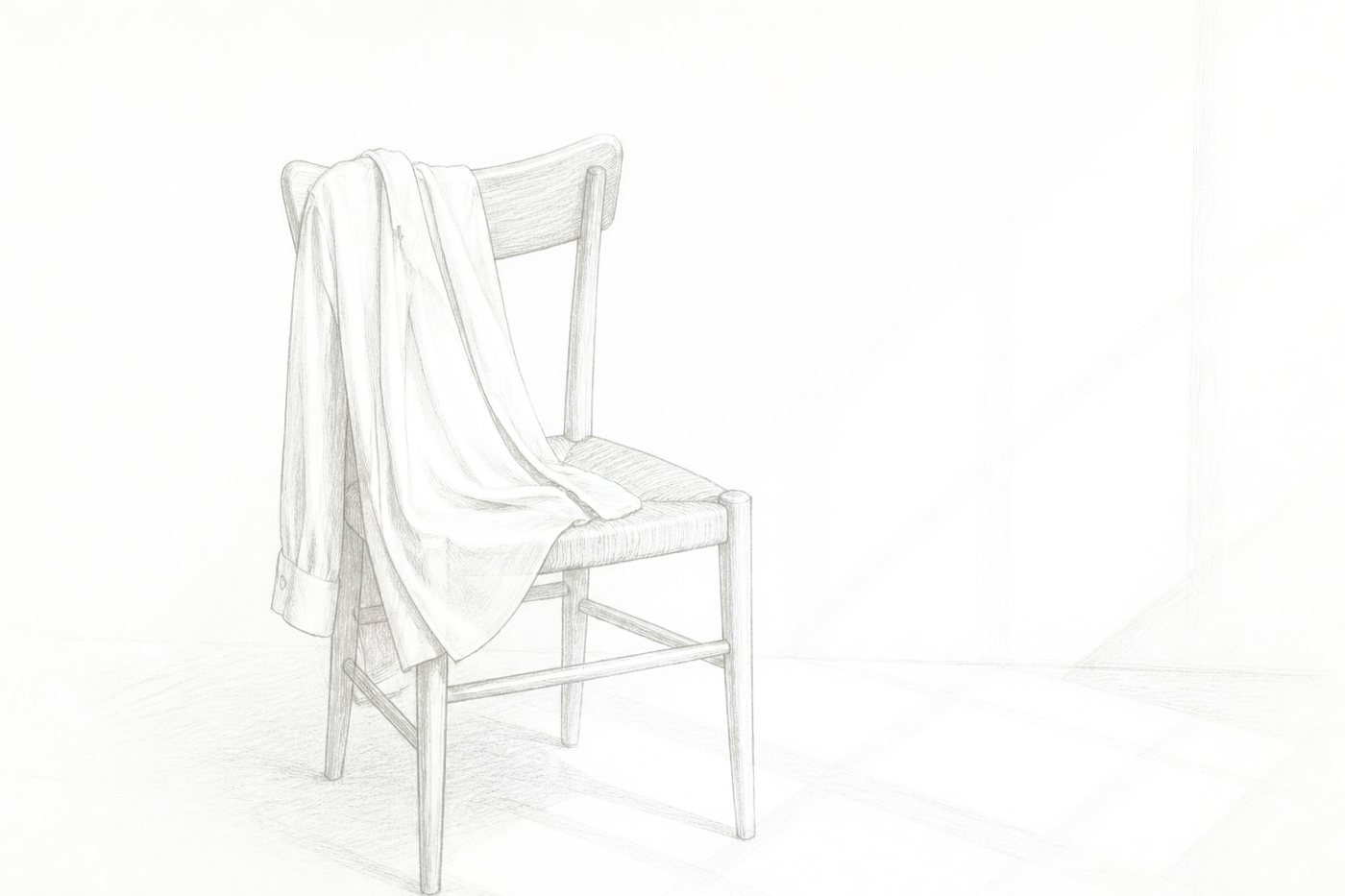
Yvora speaks the language of quiet luxury, but not as a follower. European quiet luxury is most often built on lineage. Yvora is built on a different inheritance: a training in classical music, a mother's convictions about fabric and form, the long craft of Hangzhou silk, and a life lived between Asia and Europe.
It is not a retelling of Italian or French sensibility. It has a language of its own.
What began as one gown, worn in the silence before a performance, is now made for others: clothing that does not ask to be noticed, only to be felt.
The moment it settles against your skin — what you feel, that is your aura.
The moment it settles against your skin — what you feel, that is your aura.